
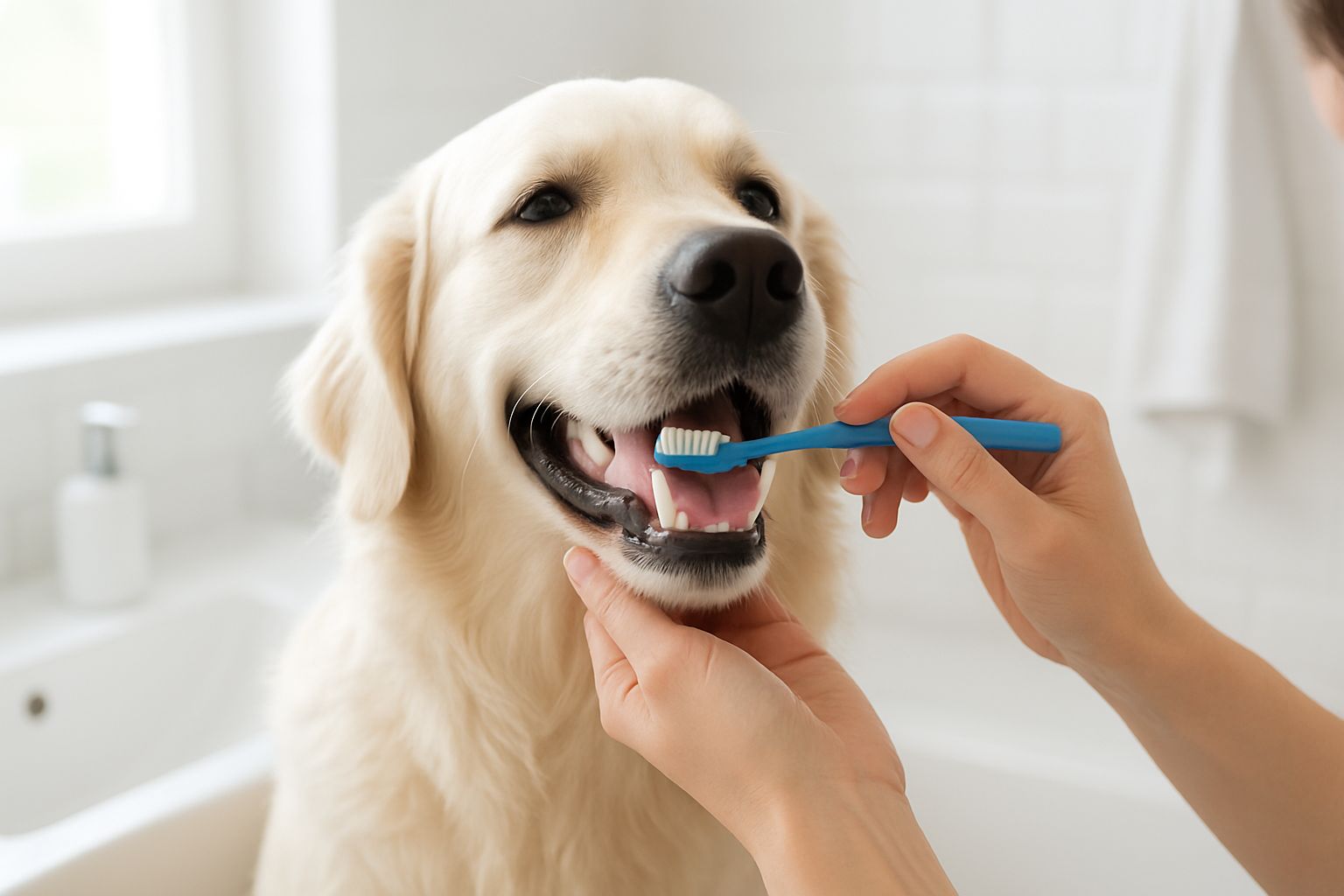
How to Keep Your Dog's Teeth Clean Between Vet Visits
By age three, 80% of dogs have some form of periodontal disease. The good news? A consistent at-home routine can prevent most dental issues — and save you thousands in vet bills.
Why Dog Dental Health Matters
Dental disease isn't just about bad breath. Bacteria from infected gums can enter the bloodstream and damage your dog's heart, liver, and kidneys. What starts as plaque buildup becomes tartar, then gingivitis, then full-blown periodontal disease — and at that point, it's painful and requires professional treatment under anesthesia.
1. Brushing: The Gold Standard
Daily brushing is ideal, but even 3-4 times a week makes a huge difference. Use a dog-specific toothpaste — human toothpaste contains xylitol and fluoride, both toxic to dogs. Finger brushes work great for beginners; graduate to a long-handled brush once your dog is comfortable.
Pro tip: Start slow. Let your dog lick the toothpaste off your finger for a few days. Then touch their teeth gently. Then introduce the brush. Rushing this process is why most dogs fight tooth brushing.
2. Dental Chews and Toys
Not all chews are created equal. Look for the Veterinary Oral Health Council (VOHC) seal — it means the product has been clinically proven to reduce plaque and tartar. Dental chews work mechanically: as your dog gnaws, the chew scrapes plaque off teeth.
Rubber chew toys with ridges and nubs can also help, especially if you apply dog toothpaste to them. Avoid antlers, bones, and anything harder than your dog's teeth — they cause dental fractures, which are painful and expensive to fix.
3. Water Additives and Dental Sprays
Water additives are an easy add-on: you add a capful to your dog's water bowl daily. They contain enzymes that break down plaque-causing bacteria. They're not a replacement for brushing, but they're a solid supplement — especially for dogs who won't tolerate having their teeth brushed.
4. Diet Matters
Dry kibble helps scrape teeth more than wet food (though it's not a substitute for brushing). Some prescription dental diets have specially designed kibble that resists crumbling until the tooth penetrates it, providing more mechanical cleaning action. Talk to your vet about whether a dental diet makes sense for your dog.
5. Know the Warning Signs
Bad breath, red or bleeding gums, yellow-brown tartar buildup, loose teeth, difficulty eating, or pawing at the mouth are all signs something's wrong. If you see any of these, schedule a vet visit — early intervention prevents more serious (and more expensive) problems.
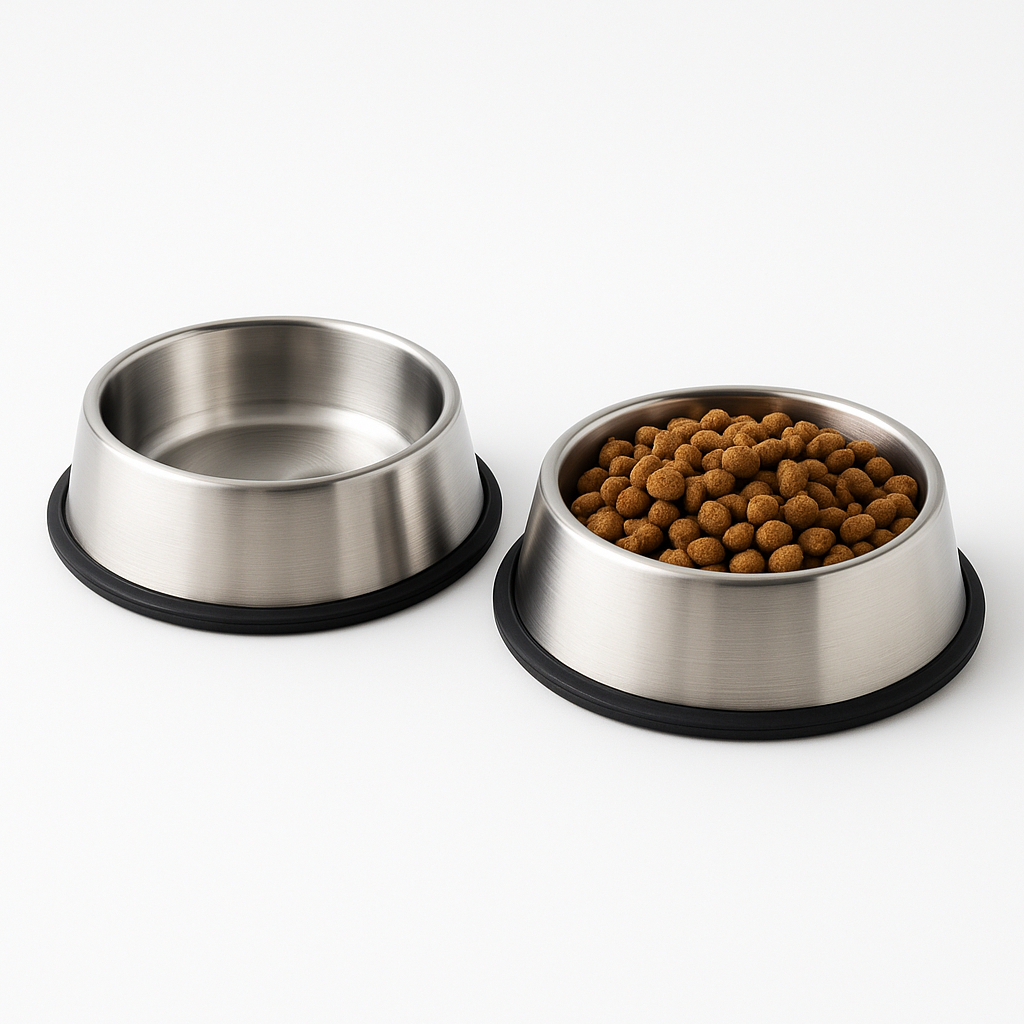
Set your dog up with a clean stainless steel bowl for fresh water daily — it's more hygienic than plastic and easier to keep bacteria-free. Browse our chew toys and dental supplies for more options!
Want a complete wellness tracker for your pup? Our Ultimate Pet Care Planner includes dental care logs, vet visit trackers, and more — just $9.99.
Keep reading: trimming your dog's nails and how often to bathe your dog. And check out our Vet Visit Prep Kit to make it easy.
Shop This Article
Leave a Comment
We'd love to hear from you!
Thanks for reading!