
Best Treats for Training Puppies: What to Use, How Much, and When
Puppy training runs on treats. The treat you choose — its size, softness, and value — directly affects how fast your puppy learns and how much fun the process is for both of you. Here's what to look for in a training treat and how to use them like a pro.
What Makes a Great Training Treat
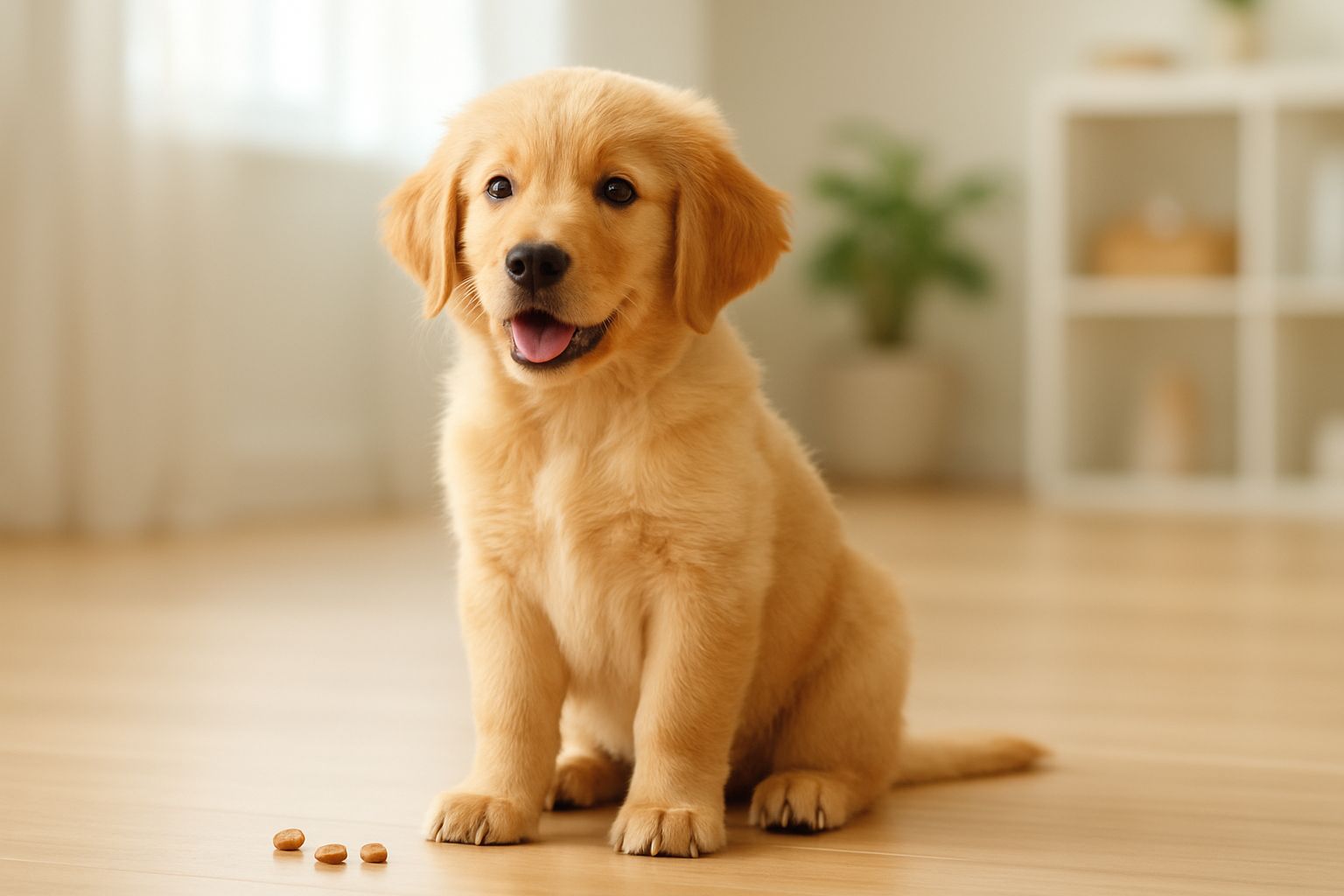
The ideal training treat is soft (so it's eaten in 2 seconds and you're back to training), small (pea-sized or smaller — a 10-pound puppy needs treats the size of a pea), high-value to your puppy (it should beat the world around them — usually means meaty or cheesy), and low-calorie. Training sessions involve dozens of repetitions, so calories add up fast — treats should be no more than 10% of your puppy's daily food.
Kibble Works Too
Don't overlook plain kibble as the default "low-value" treat — use your puppy's regular high-quality food for easy commands in quiet settings, and reserve the smelly, irresistible stuff for distracting environments. This is called a reward hierarchy, and it keeps training interesting without blowing your puppy's diet.
How Much Is Too Much?
Count every treat. If your puppy gets 50 treats in a training session, set aside an equivalent amount of food from their meals so they don't overeat. Factor treats into their daily calorie total. And when your puppy graduates to adult dog food, adjust treat portions accordingly — adult dogs need far fewer.
Timing and Technique
The treat must arrive within one second of the correct behavior — that's what builds the association. Mark the moment with a clicker or a "yes!" and then deliver the treat. For leash work, practice in low-distraction areas first; our loose leash walking guide shows exactly how to use treats for heel position. And if your puppy jumps up for treats, teach calm greetings instead — see our post on stopping puppy jumping.
Stock Your Puppy Toolkit
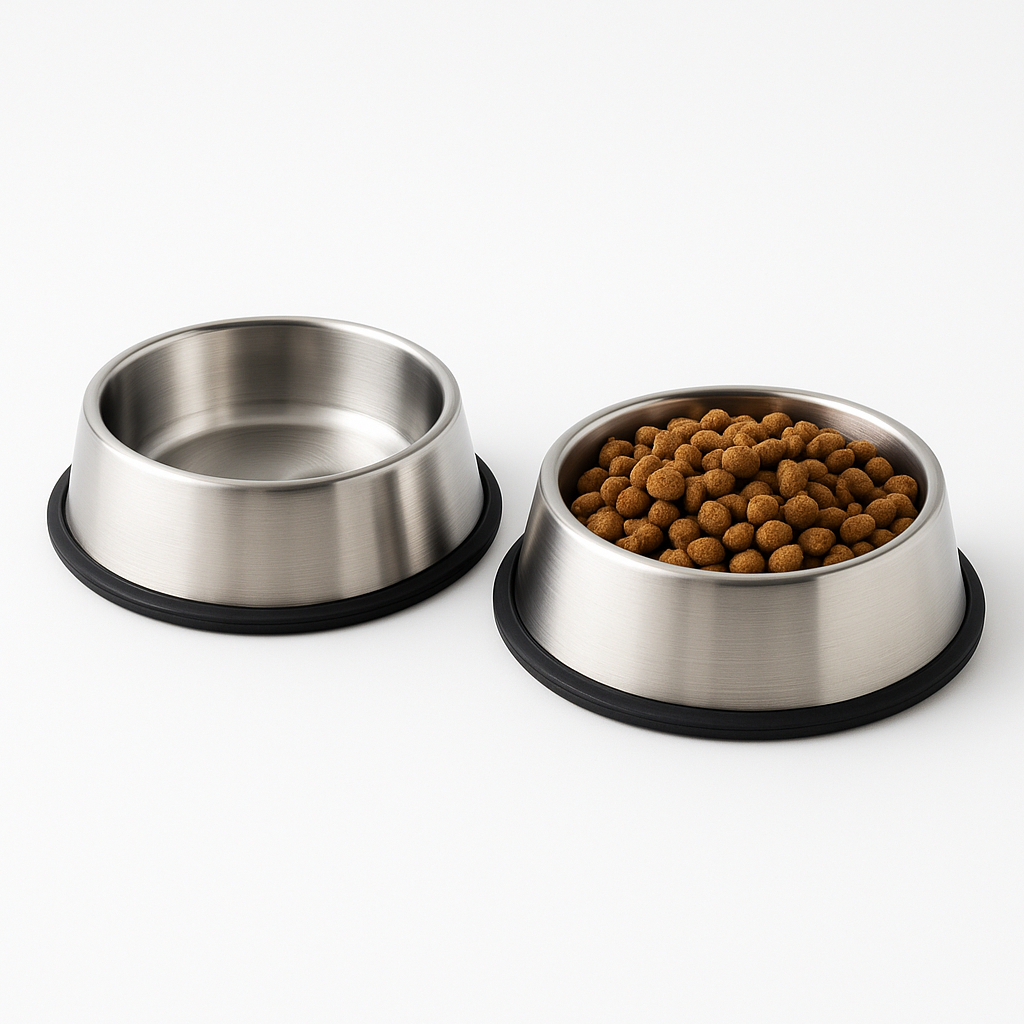
Keep training treats in a stainless steel bowl in the training area and rotate in interactive toys as non-food rewards. Track your puppy's milestones with our Puppy Training Checklist & Milestone Tracker ($4.99), and for deeper behavioral training, the Complete Puppy Handbook ($19.99) has a full treat-based training curriculum.
Leave a Comment
We'd love to hear from you!
Thanks for reading!