

Flea and Tick Prevention: Collars, Drops, or Chewables?
Fleas and ticks aren't just gross — they transmit diseases that can seriously harm your dog. But with so many prevention options on the market, choosing the right one can feel overwhelming. Here's how collars, topical drops, and oral chewables compare.
Flea & Tick Collars
How they work: The collar releases active ingredients that spread through your dog's skin oils, creating a protective barrier. Most last 6-8 months.
Pros: Long-lasting, one-and-done application, no monthly remembering. The Seresto collar, for example, works for up to 8 months. Great for forgetful owners.
Cons: Some dogs find collars irritating. If your dog swims frequently, effectiveness can decrease. Not ideal for dogs who wrestle or play rough — the collar can get caught or chewed off by playmates.
Best for: Owners who want a set-it-and-forget-it solution, dogs that don't swim daily, and households where monthly dosing is likely to be forgotten.
Topical Drops (Spot-On Treatments)
How they work: A liquid applied to the back of your dog's neck once a month. The medication spreads through the skin's oil glands and kills fleas and ticks on contact.
Pros: Highly effective, widely available, and many products are waterproof after 24-48 hours. Some topical products also repel mosquitoes — a bonus in heartworm-prone areas.
Cons: You need to remember to apply it monthly. Can leave an oily residue for a day or two. Children and other pets shouldn't touch the application site until it's dry. Some dogs have skin reactions.
Best for: Dogs who swim or bathe often (after the initial drying period), owners who are comfortable with a monthly routine, and multi-pet homes where oral medications might be tricky to coordinate.
Oral Chewables
How they work: A flavored tablet given once a month (or every 3 months for some products). The medication circulates in your dog's bloodstream and kills fleas and ticks when they bite.
Pros: No mess, no residue, no application site to avoid. Won't wash off in water. Many combine flea, tick, and heartworm prevention in one tablet — convenient if your dog needs all three.
Cons: Requires a prescription from your vet. Some dogs won't eat the chewable even when it's flavored. Can be more expensive than collars or topicals. Rarely, some dogs experience neurological side effects — always discuss with your vet.
Best for: Dogs who swim regularly, owners who prefer no topical residue, dogs already on heartworm prevention (combo products simplify things), and owners comfortable with a monthly tablet routine.
Which One Should You Choose?
There's no single "best" option — it depends on your dog's lifestyle, your budget, and your consistency as an owner. A collar you'll actually use for 8 months beats a monthly chewable you'll forget half the time. Talk to your vet about what makes sense for your dog's specific risks, local parasite prevalence, and any health conditions.
The one thing you should never do: Use dog flea products on cats. Many dog flea treatments contain permethrin, which is highly toxic to cats and can be fatal. Always use species-specific products.
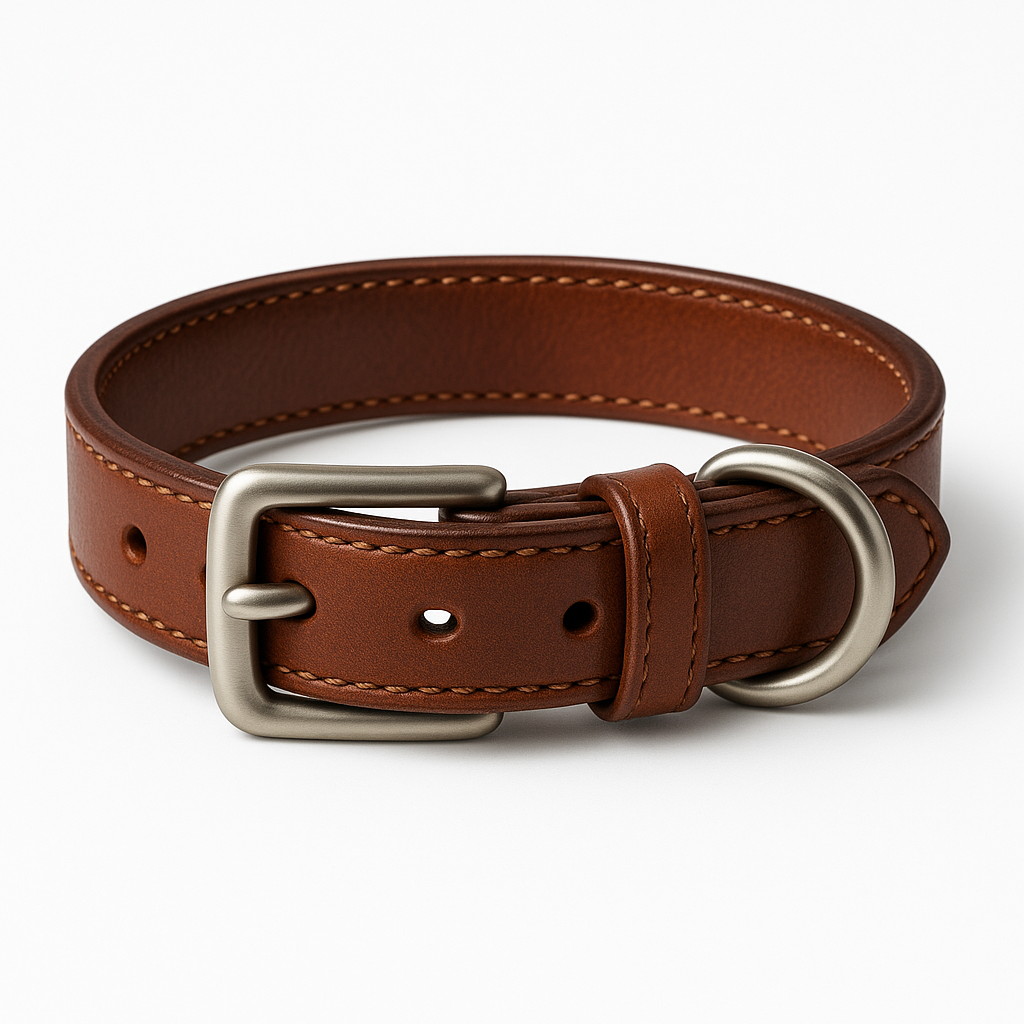
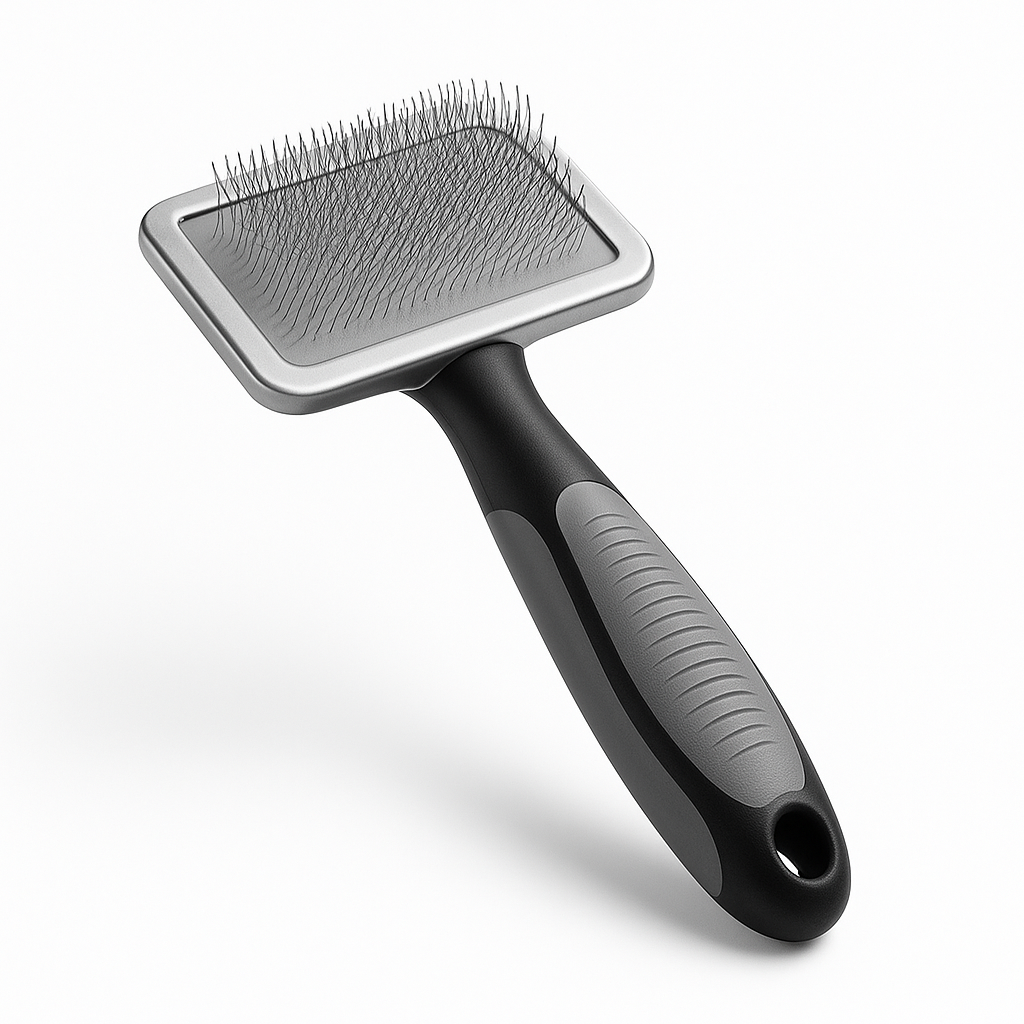
A comfortable adjustable leather collar makes wearing a flea collar much more tolerable for your dog. Regular grooming with a slicker grooming brush is also essential — it helps you spot fleas, ticks, and skin issues early before they become serious problems.
Be prepared for all your pet's health needs — grab our Pet First Aid Guide for $7.99, a must-have reference that covers flea and tick emergencies and much more.
Keep reading: keeping your dog's teeth clean and common causes of dog itching. And check out our gentle pet shampoo to make it easy.
Leave a Comment
We'd love to hear from you!
Thanks for reading!